
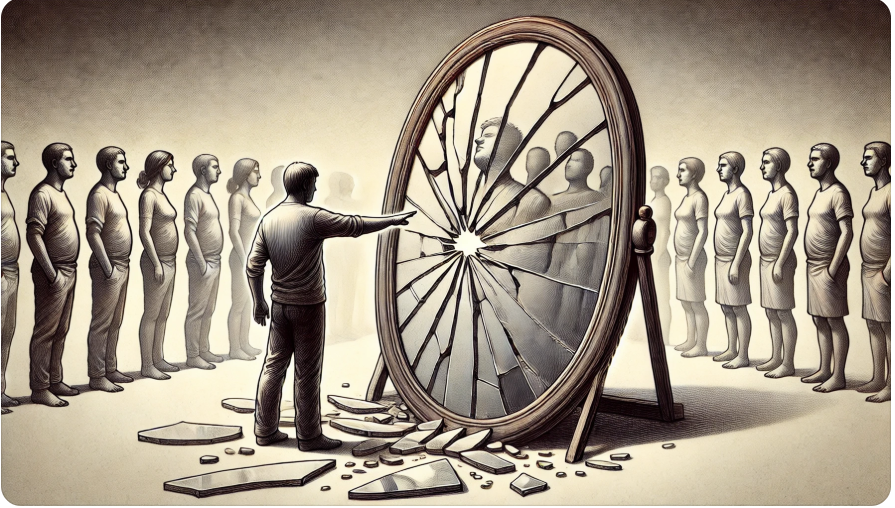

Alexei Roschin’s facebook post / article titled, “Нам не стыдно” (We Are Not Ashamed), delves into the troubling absence of shame among ordinary Russians regarding the war in Ukraine. Roschin, a sociologist, conducted focus groups across Russia, exploring people’s emotions about their country’s role in the war. His findings shed light on why many Russians continue to support the war and how deeply rooted psychological and societal dynamics hinder the nation’s ability to reckon with its actions.
The Absence of Shame and Its Implications
Roschin notes a remarkable spectrum of emotions among participants: despair, apathy, anger, patriotic fervor, and even self-satisfaction. However, one crucial emotion was glaringly absent—shame. Despite economic hardship, international isolation, and widespread condemnation of Russia’s actions, most people displayed no introspection or remorse. Instead, they exhibited a persistent sense of self-pity, casting themselves as victims of external forces rather than acknowledging responsibility.
This lack of shame, Roschin argues, reflects a profound societal malaise. Without the capacity for self-criticism, Russians remain trapped in a cycle of justifying their actions, even in defeat. This emotional paralysis prevents the collective awakening necessary for national recovery or transformation.
Comparing Russia and Germany: Why Some Nations Learn and Others Do Not
Roschin’s analysis invites comparisons with Germany, a nation that underwent profound self-reflection after World War II. The key differences lie in historical, cultural, and institutional factors:
- Post-War Consequences: Germany faced complete devastation and external pressure from Allied forces to confront its Nazi past. Public trials, such as the Nuremberg Trials, exposed the horrors of the Holocaust, forcing the nation to grapple with its collective guilt.
- Education and Memory: Germany implemented comprehensive educational reforms to teach future generations about its dark history. Memorials and museums became part of the cultural fabric, ensuring that the past would not be forgotten or repeated.
- Cultural Capacity for Shame: German society embraced shame as a transformative emotion, using it as a catalyst for change. In contrast, Russia’s cultural and historical narrative often emphasizes victimhood and deflects responsibility, fostering a self-pitying nationalism.
- Political Will: Germany’s leaders actively supported de-Nazification and reconciliation. In contrast, Russia’s leadership under Vladimir Putin promotes narratives of imperial pride and denies responsibility for atrocities, reinforcing societal denial.
Why Russians Support the War
Roschin identifies a phenomenon he calls “self-pity nationalism.” Russians view themselves as victims of historical injustices, from the fall of the Soviet Union to perceived Western encirclement. This mindset fuels a belief that their actions, however violent, are justified as acts of self-preservation.
Propaganda plays a central role, amplifying narratives of Russian heroism and righteousness while demonizing Ukraine and the West. The absence of alternative voices in a tightly controlled media environment leaves many Russians ill-equipped to question the state’s actions.
Moreover, the psychological burden of admitting wrongdoing is immense. Accepting responsibility would require confronting moral complicity in the war and the suffering it has caused—a step that many are not ready or willing to take.
What Can Be Done?
Changing the perception of reality in Russia is a monumental challenge, but some steps could help pave the way for future transformation:
- Breaking the Information Monopoly: Supporting independent media and finding ways to disseminate uncensored information within Russia is crucial. Exposing citizens to diverse perspectives can challenge state propaganda.
- Humanizing the Other: Efforts to share stories of Ukrainian suffering, framed in a way that emphasizes shared humanity rather than assigning blame, could foster empathy and eventual self-reflection.
- Promoting Shame as a Path to Redemption: Shame need not be paralyzing—it can be a transformative emotion. Encouraging Russians to see shame as a means of reclaiming moral integrity could help initiate change.
- Post-Conflict Reconstruction: When the war ends in Russian defeat, international actors should prioritize truth and reconciliation processes, ensuring that the Russian public confronts the consequences of their country’s actions.
- Building Future Generations: Long-term change requires education. Schools and cultural institutions must teach future generations to critically examine their history and value accountability over victimhood.
Conclusion
The lack of shame Roschin identifies in Russian society is a significant barrier to meaningful change. Unlike Germany, which transformed its collective shame into a foundation for renewal, Russia remains trapped in denial and self-pity. Overcoming this will require structural, cultural, and psychological shifts—steps that can only begin when society acknowledges the weight of its actions and embraces responsibility as a path to redemption.
Leave a Reply