


Preamble
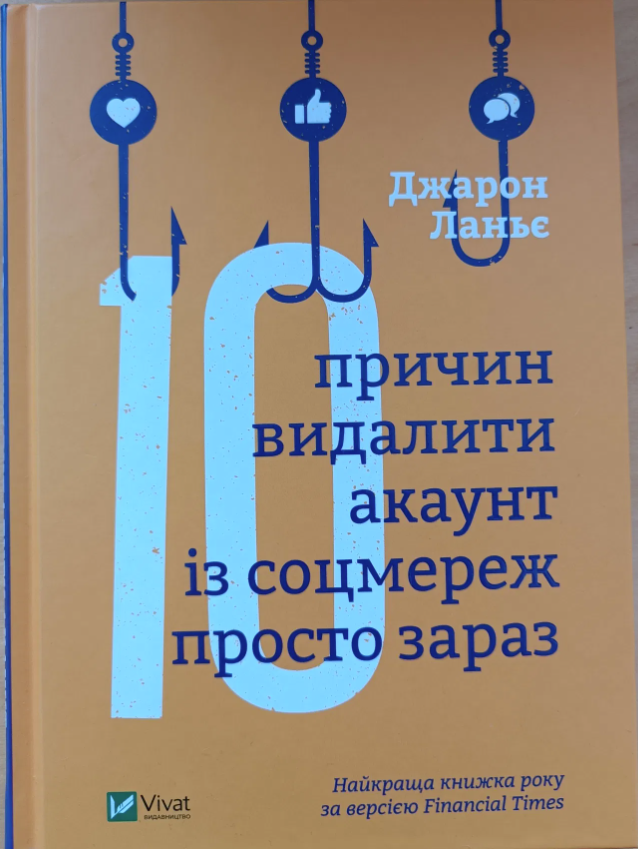
This essay draws inspiration from a thought-provoking post shared in the Facebook group “ПроКниги. Що почитати?” by Ганна Матвеєва. Her reflections on Jaron Lanier’s book “10 причин видалити акаунт із соцмереж просто зараз“ provided a nuanced perspective on the challenges and benefits of social media. While she acknowledged the compelling arguments for abandoning these platforms, she also highlighted the critical role they play in fostering connection, advocacy, and resilience. This analysis builds on those insights, framing the debate within the current global context, particularly for those standing with Ukraine in 2024.
Acknowledgment
Special thanks to Ганна Матвеєва and the contributors to the discussion in “ПроКниги. Що почитати?” for their reflections on Lanier’s work. Their personal experiences and thoughtful critiques have enriched this dialogue, shedding light on the multifaceted nature of social media in our lives.
Introduction
In his 2018 book “Ten Arguments for Deleting Your Social Media Accounts Right Now,” Jaron Lanier critiques social media platforms as destructive forces that erode personal autonomy, truth, empathy, and the very fabric of society. While his arguments were relevant in their time, they do not adequately address the evolving role of social media in the global context of 2024. This is particularly evident when considering the ongoing Russian aggression in Ukraine, where social media has become an indispensable tool for advocacy, connection, and resistance. In this essay, we will critically examine Lanier’s ten arguments, countering each with contemporary realities, particularly through the lens of those standing with Ukraine.
1. Loss of Free Will vs. Empowered Advocacy
Lanier’s Argument (2018): Algorithms manipulate users, shaping behaviors and decisions without their awareness.
2024 Reality: While this concern is valid, it overlooks the agency that social media users have developed over time. In 2024, platforms like Twitter, Facebook, and Instagram empower Ukrainians and their allies to take deliberate action. Advocacy campaigns, such as #StandWithUkraine, demonstrate how individuals use social media to amplify their voices and make informed choices about where to donate, volunteer, or raise awareness. For example, platforms like Monobank facilitate rapid donations to support military efforts, humanitarian aid, and community rebuilding, showing how technology can be wielded for good.
2. Resisting Madness vs. Resisting Aggression
Lanier’s Argument (2018): Social media perpetuates chaos and toxicity in the world.
2024 Reality: For those standing with Ukraine, social media provides clarity amidst the madness of war. Platforms are used to share accurate information, document atrocities, and counter Russian disinformation. Campaigns like Adopt a Starlink – Project Konstantin crowdfund satellite internet for rural communities and troops, showcasing how social media can organize large-scale, impactful initiatives. By staying engaged, users resist the very chaos Lanier critiques, using social media as a stabilizing force to spread truth and hope.
3. Turning Into a Jerk vs. Acts of Compassion
Lanier’s Argument (2018): Social media incentivizes hostility and divisiveness.
2024 Reality: While toxic behavior exists, it is counterbalanced by the countless acts of solidarity facilitated through these platforms. Social media has enabled global audiences to come together in support of Ukraine, funding humanitarian aid, rescuing displaced pets, and connecting with like-minded individuals. For instance, campaigns like Save Pets of Ukraine have rescued and rehomed thousands of animals displaced by the war, exemplifying how social media fosters compassion and unity, far from the hostility Lanier feared.
4. Truth Distortion vs. Truth as Resistance
Lanier’s Argument (2018): Platforms prioritize engagement over accuracy, amplifying misinformation.
2024 Reality: While disinformation persists, social media also equips people with tools to verify facts and share authentic stories. Ukrainian journalists, activists, and citizens use social media to document war crimes, debunk propaganda, and share on-the-ground realities. Campaigns like United24 and StopFake focus on countering fake news with verified reports and factual narratives, ensuring that truth can thrive even in contested digital spaces.
5. Meaningless Words vs. Catalysts for Change
Lanier’s Argument (2018): The oversaturation of content on social media reduces the impact of meaningful communication.
2024 Reality: In contrast, the Russian aggression in Ukraine has shown how powerful a single post can be. From calls to action that raise millions for humanitarian aid to messages of solidarity that inspire global protests, social media posts have become catalysts for tangible change. For example, posts promoting the United24 initiative, a global crowdfunding platform started by President Zelenskyy, have significantly contributed to rebuilding infrastructure and supporting displaced families. These words are far from meaningless; they are lifelines.
6. Destroyed Empathy vs. Global Connection
Lanier’s Argument (2018): Constant exposure to superficial interactions erodes genuine compassion.
2024 Reality: Social media has been a vessel for global empathy. Platforms allow users to share personal stories of those affected by the war, from displaced families to frontline defenders. Campaigns like #HelpUkraineNow connect donors with specific needs, such as winter clothing for refugees or medical supplies for field hospitals. These stories and campaigns humanize the crisis and inspire widespread acts of kindness, countering Lanier’s argument with real-world examples of empathy in action.
7. Unhappiness vs. Purpose and Optimism
Lanier’s Argument (2018): Social media fosters unhappiness through toxic comparisons and negative content.
2024 Reality: While this can occur, it is not the full picture. For many, social media offers a source of hope and inspiration. Stories of resilience, community support, and collective action in Ukraine uplift audiences and remind them of the power of unity. Campaigns like #UkraineWillPrevail spread messages of hope and optimism, uniting people around shared goals and reinforcing a sense of purpose, even in challenging times.
8. Exploitation vs. Empowerment and Justice
Lanier’s Argument (2018): Platforms exploit users, prioritizing profit over dignity.
2024 Reality: Ukrainians and their allies have transformed social media into a space for dignity and justice. By sharing their stories, celebrating their culture, and documenting their resilience, they have reclaimed these platforms as spaces for empowerment and self-expression. Efforts like the #ShareUkrainianArt campaign have highlighted Ukrainian artists, showcasing their work globally and ensuring their voices are heard. Social media has become a tool for preserving dignity, not undermining it.
9. Political Corruption vs. Political Mobilization
Lanier’s Argument (2018): Social media reduces political discourse to polarization and echo chambers.
2024 Reality: While polarization exists, social media has also revolutionized political advocacy. Platforms have mobilized support for Ukraine, pressured governments to provide military aid, and united citizens worldwide in defense of democracy. For instance, the #ArmUkraineNow campaign successfully influenced policymakers to expedite critical military supplies, showing how platforms can facilitate effective political mobilization rather than corruption.
10. Dehumanization vs. Cultural Preservation
Lanier’s Argument (2018): Social media erodes the human spirit by commodifying users.
2024 Reality: For those standing with Ukraine, social media has been a sanctuary for expressing and sharing the human spirit. It celebrates cultural heritage, fosters global solidarity, and provides a sense of community amidst hardship. Campaigns like #SupportUkrainianHeritage have showcased traditional music, dance, and art, reinforcing national pride and preserving cultural identity. Far from dehumanizing, these platforms have helped sustain the soul.
Conclusion
While Jaron Lanier’s critiques of social media remain relevant, they fail to account for the evolving role of these platforms in 2024. For Ukrainians and their allies, social media is not merely a source of harm but a vital tool for advocacy, connection, and resistance. It enables users to amplify truth, foster empathy, and mobilize action on a global scale. Rather than abandoning social media, the challenge lies in using it responsibly and strategically to support causes that matter. For those standing with Ukraine, social media is not a battleground to flee. It is a battleground to defend.