
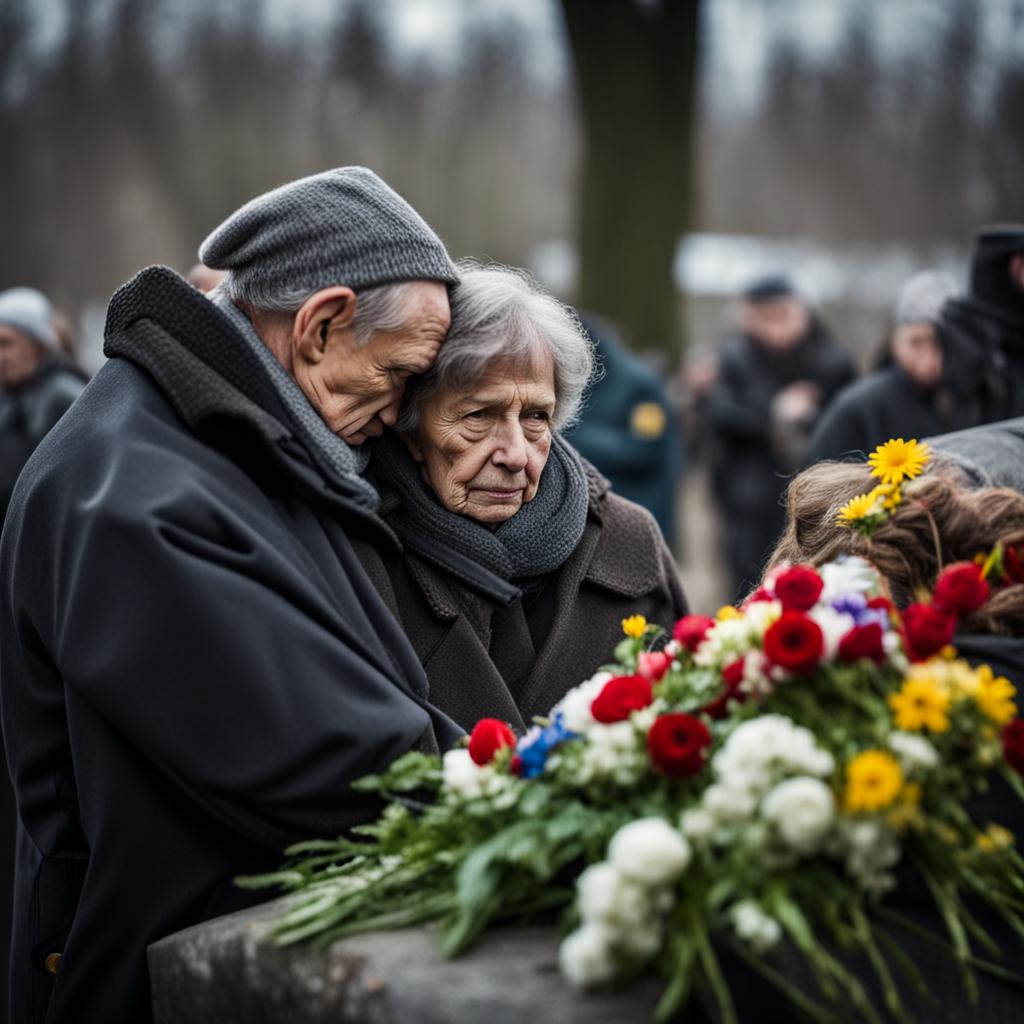

I recently read a number of posts where people who are grieving the death of loved ones in the war meet someone they know (“a nieghbour”) who blame them that they allow their loved ones to go to war. I tried to construct an educational post that incorporates feedback from different users on how to respond to the “neighbour” who is judgmental and encourage them to show empathy, care and compassion when someone is grieving the death of loved ones in the war.
Losing a loved one in war is agonizing enough without insensitive comments adding to the grief. If a “neighbor” or anyone else tries to blame you for not preventing your loved one from going to fight, please know that this reaction often stems from others’ difficulty coping with the tragedy and mortality. Their thoughtless words say more about their own discomfort than any failing on your part.
No matter what the circumstances, you did not cause or choose your loved one’s death in war. The choice to serve likely arose from noble values instilled early on – duty, honour, courage. Your child, spouse or sibling wanted to stand up for something larger than oneself. Any good parent, wife or family member would feel pride, alongside the obvious fear.
In times of war, we relearn harsh lessons – that life is fragile and tomorrow not guaranteed. Rather than judging how others grieve, we would do well to offer compassion, care and empathy. Tragedy affects whole communities, not just individual families. We need each other’s wisdom, and support to process losses on such a scale.
If someone suggests you could have prevented your loved one’s death, respond gently but firmly. Say you know they mean well but such comments are hurtful right now. Ask they please refrain from blaming anyone during this painful adjustment and honour the dead through respectful remembrance. Should they persist due to their own issues, limit contact for self-protection. Avoid aggressive retaliation however satisfying, as it generally fails to educate and escalates tensions.
Focus instead on self-care – physical, emotional, mental and spiritual. Seek positive outlets for anguish through counselling, group sharing, creativity and commemoration. Forgive thoughtless remarks, remembering how trauma can break open the unsightly shadows in people, communities and nations. Though injustice naturally stirs bitterness, try not to let it harden your heart forever.
When ready and restored, use your loss to grow in wisdom, compassion and purpose. Let your grief blossom into a mission to comfort, connect and care for others touched by this brutal war. We suffer grave losses, public and private, but need not lose our way and humanity too. In nights of numb despair, summon the faith that some light still flickers inside to kindle hope and meaning. Our loved ones now belong to the ages but we the living must press forward together.
PS: Here is the list of common responses Facebook users shared to support a person when a “neighbour” tells you it’s your fault for not stopping your loved one from going to war:
Remember you didn’t cause their death.
Don’t argue or try to convince the neighbour.
Set boundaries and limit contact if needed.
Talk to supportive friends and family.
Join a grief support group.
Write the person a letter expressing your pain.
Forgive the person their ignorance.
Take care of yourself physically.
Let yourself grieve and feel all the emotions.
Celebrate the life of your loved one.
Cherish your memories together.
Do things that comfort you.
Start a memorial fund or event.
Campaign for a cause related to their death.
Donate to a charity in their honour.
Plant a tree to remember them by.
Write about your experience.
Express emotions through art.
Wear a remembrance locket.
Get counselling if needed.
Practice relaxation techniques.
Keep a grief journal.
Make a memory scrapbook or quilt.
Join a cause your loved one believed in.
Advocate for policies and laws that could prevent similar losses.
Educate others about the human impact of war.
Place flowers, candles or stones on their grave.
Watch for signs from your loved one.
Talk to your loved one at their grave or picture.
Keep living your life, one day at a time.
Know that grief comes in waves.
Be patient with yourself.
Expect setbacks alongside progress.
Find meaning and purpose.
Appreciate the small joys.
Develop self-compassion.
Volunteer to help other grieving families.
Have family gatherings to share memories.
Make your loved one’s favorite foods and continue traditions.
Tell stories and jokes they would have enjoyed.
Let the beauty of nature comfort you.
Listen to music that you enjoyed together.
Ask others to share their favourite memories.
Display photos and watch home movies.
Travel to places special to your loved one.
Donate their belongings to charity.
Reach out when you need extra support.
Be open to joy and laughter again someday.
Focus on living a life of purpose and meaning.
Know your grief will transform over time.
I hope this responses helps bring some comfort and hope. Your loved one died a hero, remember that. With understanding and self-care, the grief will become more bearable. My deepest condolences for your loss.
2 responses to “When Your Loved One Dies in War and Your “Neighbour” Blames You”
Thank you for such an important article Sasha.
Thank you Airini. Appreciate your caring feedback!